Your Trusted Construction Company for High-Quality Residential Upgrades
A reputable general contractor assumes an essential role in home improvement projects. Their knowledge guarantees projects are finished with precision and care. By focusing on premium supplies and skilled workmanship, they enhance both visual appeal and value. Transparent dialogue and careful planning are necessary for a smooth process. However, many homeowners overlook important considerations when picking a builder. Understanding what to prioritize can make a major difference in achieving a successful renovation. What should homeowners evaluate first?
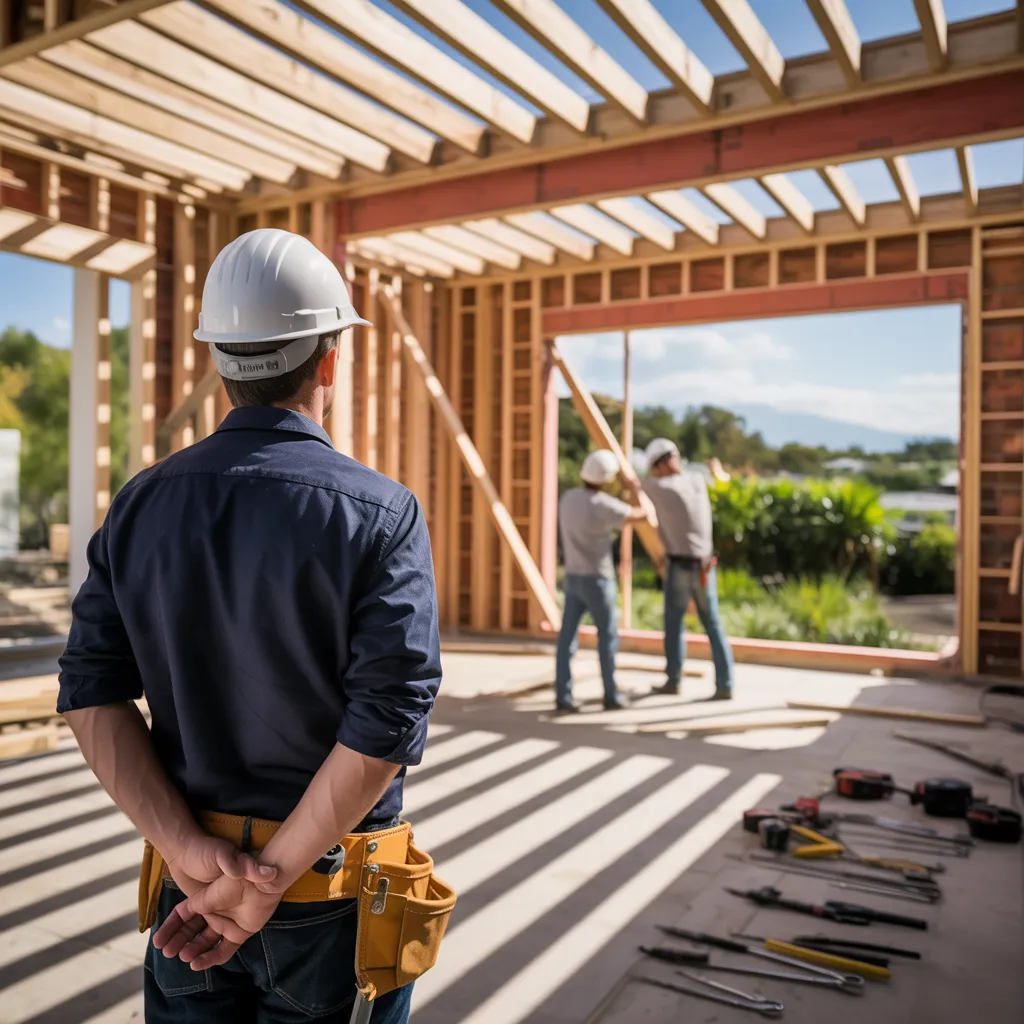
Important Considerations for Finding a Credible General Contractor
When starting a home renovation undertaking, how can one guarantee they choose a reliable general contractor? First, people should seek suggestions from loved ones, acquaintances, or web-based testimonials to find potential candidates. It is crucial to verify credentials, including permits and coverage, making sure the contractor complies with local regulations. Next, examining past work through portfolios or references offers insights into the contractor's workmanship and dependability.
Moreover, obtaining multiple estimates can help gauge reasonable pricing and project deadlines. Communication skills are critical; a contractor should be receptive and attentive to inquiries. In addition, a complete agreement detailing project scope, timeframes, and payment procedures protects both stakeholders. At the end of the day, trust instincts; if a contractor appears unprofessional or uncertain, it may signal later complications. By adhering to these guidelines, homeowners can greatly increase their chances of hiring a dependable general contractor, leading to successful home improvement projects.
Why a Local General Contractor Is Your Best Choice
Selecting a local general contractor can greatly enhance the success of property renovation projects. Territory contractors possess valuable familiarity of the area, involving construction regulations, ordinances, and zoning laws, ensuring compliance and efficiency. Their developed ties with suppliers and auxiliary contractors can lead to better pricing and ready availability to supplies and trained workers.
In addition, area contractors regularly copyright a standard to maintain in the community, inspiring them to render premium work. This sense of accountability cultivates trust and confidence among homeowners.
Furthermore, proximity facilitates quicker communication and faster response times, which can be critical during a project. Homeowners can also get recommendations from neighbors or friends who have prior experience with the contractor, granting peace of mind. Overall, choosing a local general contractor not only aids the community but also boosts the overall quality and experience of home improvement ventures.
Step-by-Step Roadmap to Your House Enhancement Project
Starting a home renovation project requires careful preparation and implementation. Establishing a work timeline is vital to ensure that activities are completed efficiently, while choosing quality supplies can significantly affect the project's result. This guide will outline these important steps to assist homeowners manage their improvement journey effectively.
Developing Your Task Schedule
A well-structured project timeline is crucial for efficient home improvements, ensuring that every phase is carried out efficiently. To begin, homeowners should define the project's scope, outlining particular goals and desired outcomes. Next, they should meet with their general contractor to set a feasible timeframe based on the project's complexity and required tasks. Breaking the project into smaller phases facilitates better tracking and adjustments as needed. It is also important to account for potential delays, such as weather conditions or supply chain issues, which may impact the schedule. Regular check-ins with the contractor can help ensure timely completion. Ultimately, a clear timeline encourages communication and establishes expectations, leading to a more efficient home improvement journey.
Obtaining Superior Materials
Selecting premium products greatly influences the result of home improvement undertakings. To start, homeowners should identify the particular needs of their undertaking, taking into account elements such as longevity, aesthetics, and cost. Researching various material choices is essential; this includes grasping the advantages and disadvantages of each. Speaking with experts can provide valuable information into trustworthy brands and suppliers.
Next, property owners should request samples to assess the look and feel of materials in person. Comparing prices across different suppliers can help guarantee affordable rates without sacrificing quality. Finally, confirming that materials comply with local building codes is crucial for protection and adherence to regulations. By carefully choosing materials, homeowners can enhance both the lifespan related resource and aesthetic value of their renovations, finally increasing the worth to their property.
Articulate Your Vision Like a Pro
Successful home improvements often copyright on the skill to communicate a clear vision. Homeowners should convey their thoughts, preferences, and anticipations, ensuring that they communicate their preferences proficiently to their general contractor. A clearly-articulated vision not only facilitates in coordinating the contractor's proposals with the homeowner's aims but also expedites the decision-making process.
Visual tools like sketches or mood boards can greatly enhance dialogue. They provide a concrete visual that illustrates style, color schemes, and layout preferences. Furthermore, participating in transparent communication fosters collaboration, enabling the contractor to ask clarifying questions and share expertise.
Establishing realistic timeframes and spending limits is equally essential. Property buyers should be ready to discuss constraints transparently to prevent confusion later. In conclusion, conveying a vision with precision and confidence empowers both parties, laying the way for successful project execution and satisfying results in residential improvement efforts.
The Criticality of Quality Materials and Fine Workmanship
For building projects, picking durable materials has a major impact on a project's endurance and effectiveness. Equally significant is skilled craftsmanship, which ensures materials are put to use well. Side by side, high-quality materials and expert workmanship create outcomes that withstand time.
Durable Material Choosing
A carefully picked collection of tough materials can markedly influence the lifespan and aesthetics of home improvements. Superior materials not only enhance the look of a space but also assure that renovations endure the test of time. Homeowners should prioritize materials with tested strength, such as hardwood, stone, and high-grade metals, which withstand wear and tear and environmental damage. Additionally, opting for materials compatible with the local climate can prevent issues like rot or corrosion. Committing funds in long-lasting options may require a higher upfront cost, but the long-term benefits—fewer repairs and replacements—make it a prudent choice. Ultimately, the right materials add to a home's value and overall satisfaction for years to come.
Skilled Craftsmanship: The Value
Quality craftsmanship plays an essential role in the achievement of home improvements, complementing the choice of durable materials. Skilled artisans guarantee that every aspect of a project is executed with accuracy, improving both functionality and visual appeal. Attention to detail in construction, from framing to finishing touches, significantly adds to the longevity and effectiveness of home features. Quality workmanship not only demonstrates a dedication to superior quality but also protects from future issues, such as foundation damage or visual defects. Additionally, experienced contractors understand the nuances of various materials, ensuring they are utilized effectively. Ultimately, investing in skilled craftsmanship leads to a more rewarding and enduring result, elevating the overall worth of the home and the resident's satisfaction.
Routine Overhaul Failures and How to Steer Clear of Them
Numerous homeowners face pitfalls during home improvements that can result in costly setbacks and dissatisfaction. A frequent mistake involves underestimating the costs. In the absence of a thorough budget plan, unanticipated expenditures can emerge quickly, jeopardizing the undertaking. Furthermore, neglecting to obtain essential licenses may result in penalties and project halts, complicating the renovation workflow more difficult.
Hurrying the process of making decisions is another frequent mistake. Quick decisions regarding layout and design can result in regrets later on. Homeowners often fail to recognize the significance of hiring qualified experts, which can undermine the work quality and standards for safety.
In conclusion, inability to communicate effectively with contractors may generate miscommunications and unmet expectations. To avoid these difficulties, homeowners should prioritize thorough preparation, secure the essential licenses, recruit experienced contractors, and maintain transparent communication throughout the construction project. By managing these common oversights, homeowners can guarantee a smoother and more gratifying renovation experience.
Guidelines for Choosing the Right Materials for Your Renovation?
How can property owners ensure they select the right materials for their renovation projects? First, they should evaluate the particular requirements of the space, considering factors such as performance, aesthetics, and longevity. Researching various materials is essential; property owners should analyze options based on their suitability for the intended use and local climate conditions.
Engaging a trusted general contractor can supply expert knowledge into product selections, making sure that choices correspond with both budget and design goals. In addition, homeowners should emphasize green practices by examining eco-friendly materials that decrease ecological effects.
Ultimately, reviewing specimens can assist in reaching sound conclusions, enabling property owners to envision how materials will look and feel in their setting. By pursuing these approaches, property owners can securely opt for products that boost their renovation while safeguarding quality and longevity.
Commonly Sought Questions
What's the Optimal Way to Check a Contractor Credentials and Coverage?
To confirm a contractor's licenses and insurance, one can examine state regulatory agencies and insurers. Additionally, asking for documentation of licenses and insurance directly from the contractor confirms authenticity and compliance with regulations.
What Reflects the Common Project Timeframe for Domestic Enhancement Initiatives?
A typical timeframe for home improvement projects differs, frequently lasting from a few weeks to several months, based on project complexity, scope, and required permits. Working with the construction professional can help you create a more accurate schedule.
Can I stay in My Home During Renovations?
Yes, one can live in a home during renovations, though it often relies on the project's extent. Partial renovations may permit continued residence, while extensive work might require temporary relocation for comfort and safety.
What Payment Options Do Contractors Generally Accept?
Contractors usually accept a selection of payment types, like cash, checks, credit cards, and digital payment platforms. Some may also provide financing alternatives, giving clients flexibility in managing renovation costs and payment schedules.
What Steps Should I Take to Address Disputes With My Contractor?
To work out conflicts with a contractor, one should maintain transparent communication, track all interactions, and aim for resolution through talks. If not resolved, mediation services or court action may be needed to maintain one's concerns efficiently.